MATERIALS, EXPLAINED
PA / PE Vacuum Bags: A Clear Choice for Frozen Food
A practical starting point for vacuum-packed meat and frozen ingredients. Discover how nylon and polyethylene work together, and what to check before choosing your pouch.
Explore this structure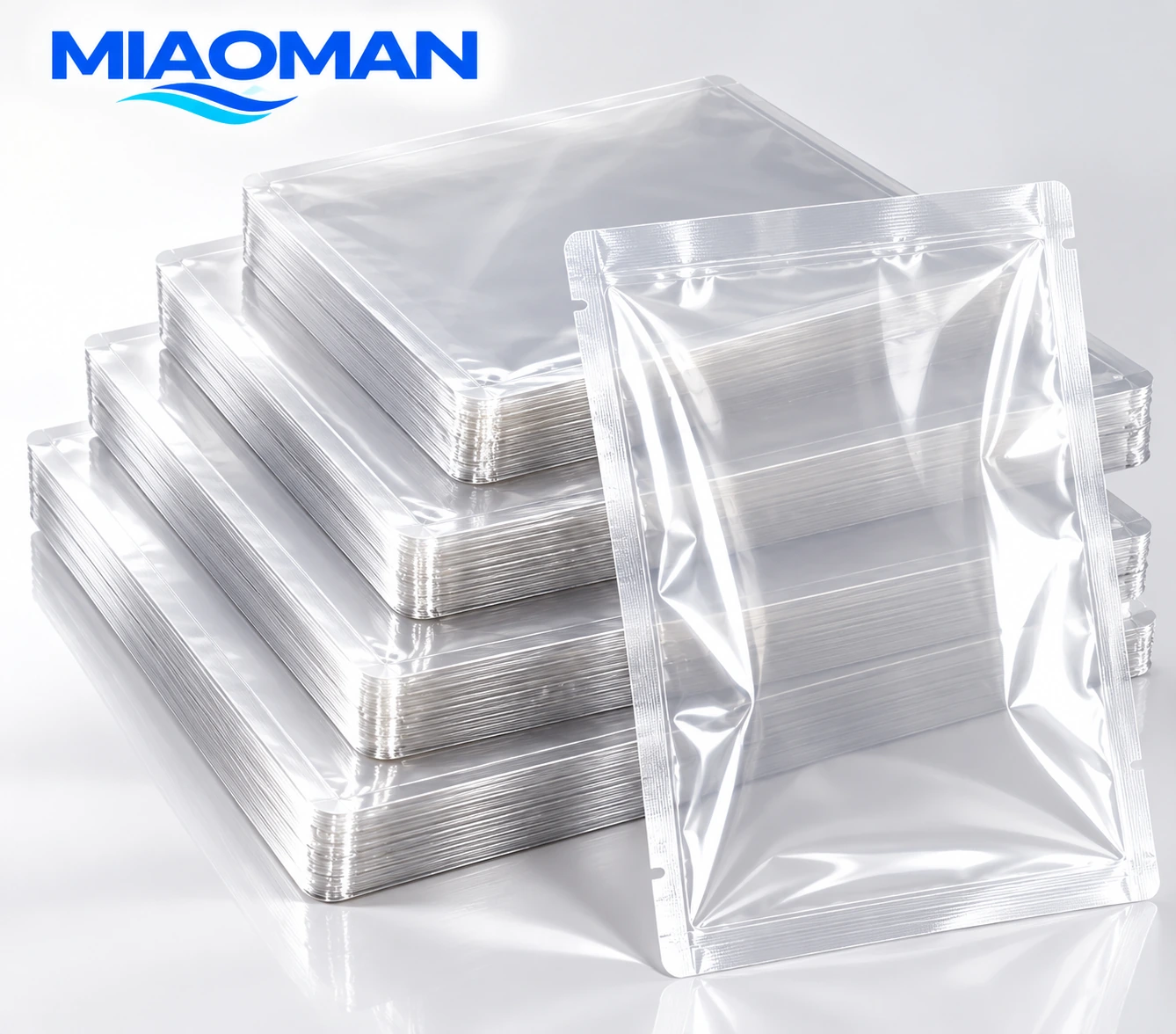
Good packaging starts with the journey your food will take. For chilled and frozen products that need a clear presentation, a PA / PE vacuum pouch brings together two complementary materials in a straightforward, versatile structure. It lets customers see the product while giving your packing line a heat-sealable inner surface.
INSIDE THE STRUCTURE
Different layers. One considered package.
Read the structure from the outside surface to the inner sealing layer.
Layer 1 · Outer functional layer
PA
Nylon adds mechanical strength and helps resist punctures during packing, handling and distribution. Its barrier contribution is part of the complete laminate design.
Layer 2 · Food-contact sealing layer
PE
Polyethylene forms the inner sealing surface. The sealing window, seal width and film thickness should be matched to your vacuum equipment and product.
A detail worth checking
Keep the cold-chain specification separate from any heating requirement. This PA / PE range is not a retort pouch.
WHERE IT FITS
Designed around the way you pack.
01
Fresh cuts & portions
Show the shape and quality of meat portions through a transparent pouch. Choose the right bag dimensions so the product sits comfortably below the sealing area.
02
Frozen ingredients
A flexible clear pack can suit frozen meat, seafood and prepared ingredients. Check the complete pack under the actual freezing and distribution conditions.
03
Everyday production
A simple two-material structure offers a useful starting point when you need custom sizes, reliable handling and a clear view of the contents.
THE SELECTION GUIDE
Match the pouch to the product, not just the size.
Start with product weight, shape and any sharp edges. Then review the required vacuum level, sealing equipment and handling conditions. Extra headspace around the sealing zone can help keep that area clean and flat. If bones or rough surfaces create difficult contact points, compare this structure with a reinforced PA / PA / PE pouch.
BEFORE YOU REQUEST A SAMPLE
Four details for a better brief.
- Product dimensions, fill weight and required pouch opening.
- Any bones, corners or rough edges that may stress the film.
- Vacuum cycle, sealing settings and storage conditions.
- Printing, total thickness and the information needed on the pack.
Share the intended use and ask Miaoman to confirm the complete material specification. Evaluate samples with your actual contents and equipment before placing a production order.
COMMON QUESTIONS
A little more clarity.
Can this PA / PE range be used for retort processing?
This Miaoman range is intended for chilled or frozen storage. Do not use it for heating or retort processing. Ask for an RCPP-based retort construction when your process requires thermal treatment.
Is a thicker pouch always the best option?
Thickness is only one part of the specification. Material structure, seal design, product geometry and handling conditions all matter. Evaluate samples with your own product and packing line.
LET’S FIND YOUR PACKAGING
Bring us your product. We’ll help shape the pack.
Tell us what you pack, your pouch size, expected quantity and processing conditions. We can discuss structure, thickness, printing and samples.
